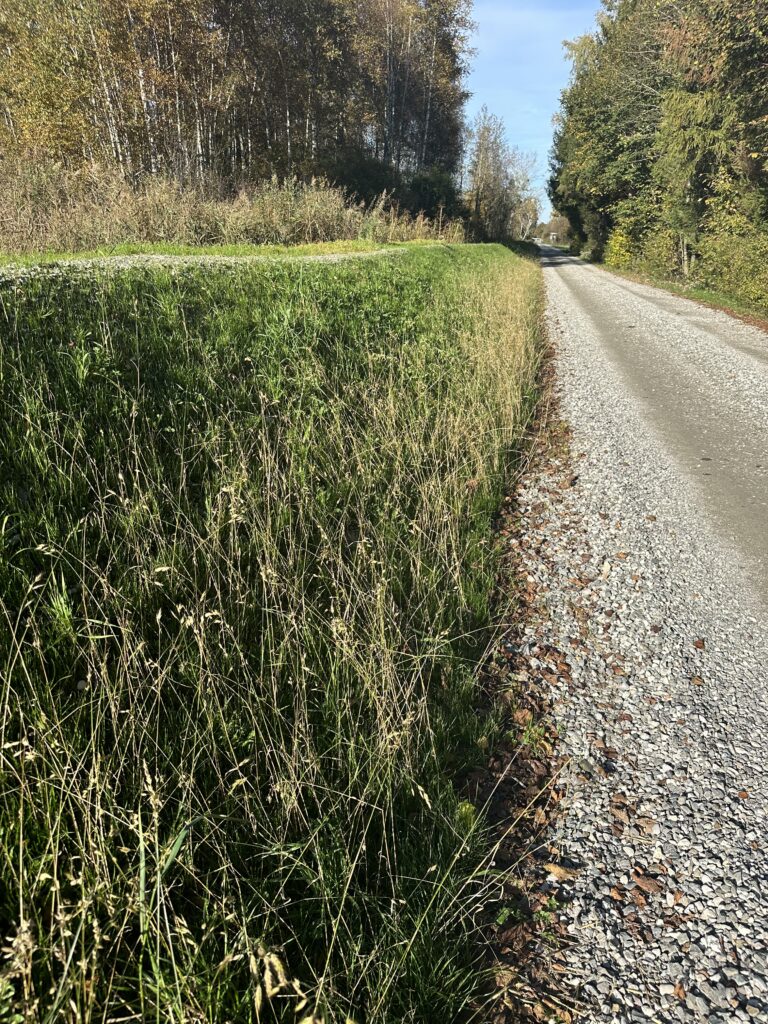
Road embankments, railway corridors, tunnel portals, and noise barriers present some of the most demanding conditions for vegetation establishment — skeletal substrates, steep gradients, and continuous mechanical loading. SRBT engineers the system from substrate assessment through species selection and application method.
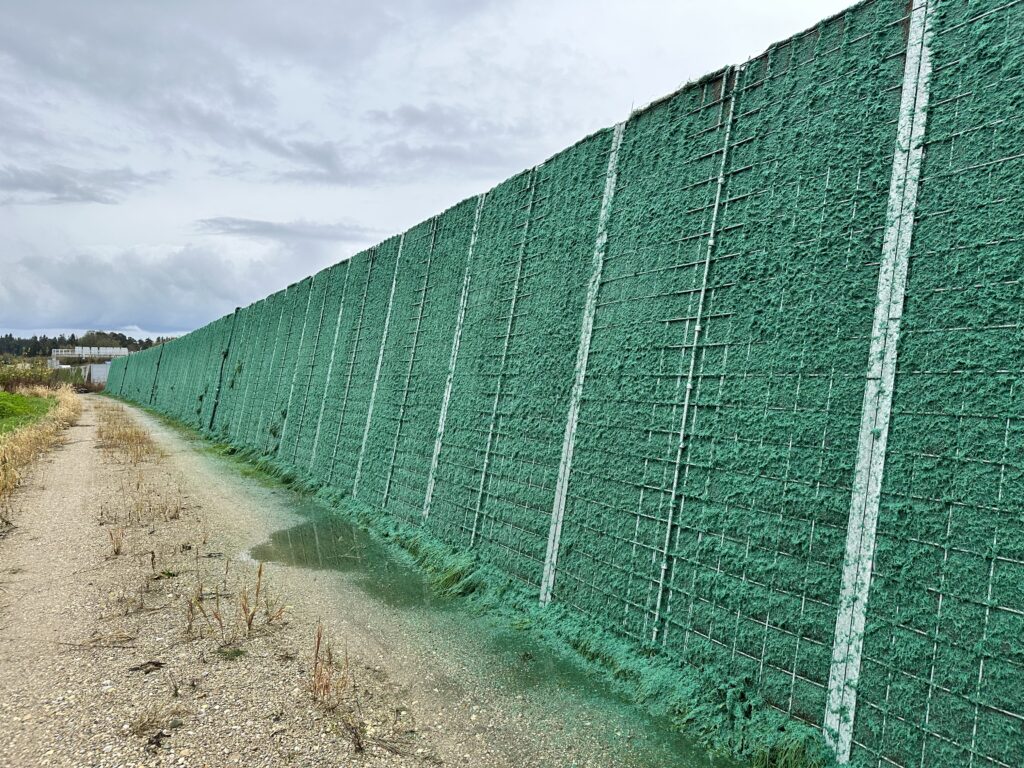
Cut-and-fill operations expose parent material with no organic fraction, no seed bank, and low water retention capacity. Compaction from construction traffic further reduces infiltration and root penetration potential.
Vegetation failure on infrastructure slopes is a substrate and system problem, not a seeding problem. The substrate must be addressed before any seeding method can deliver lasting results.
Key Parameters:
SRBT assesses substrate composition, slope geometry, and hydraulic conditions before specifying the vegetation system. Where native topsoil is absent, substrate amendment using BPS formulations is integrated into the system design.
Application method is selected based on site access, gradient, and required establishment speed. Heli-seeding for inaccessible or excessively steep sections. The result is a single engineered system, not a combination of independently contracted trades.
Infrastructure projects involve tight construction programmes and regulatory sign-off on vegetation establishment. Early engagement allows SRBT to integrate the vegetation system into the construction sequence.