Revegetation and Surface Stabilisation on Post-Extraction and Industrial Sites
Solutions / Mining & Industrial

Revegetation and Surface Stabilisation on Post-Extraction and Industrial Sites

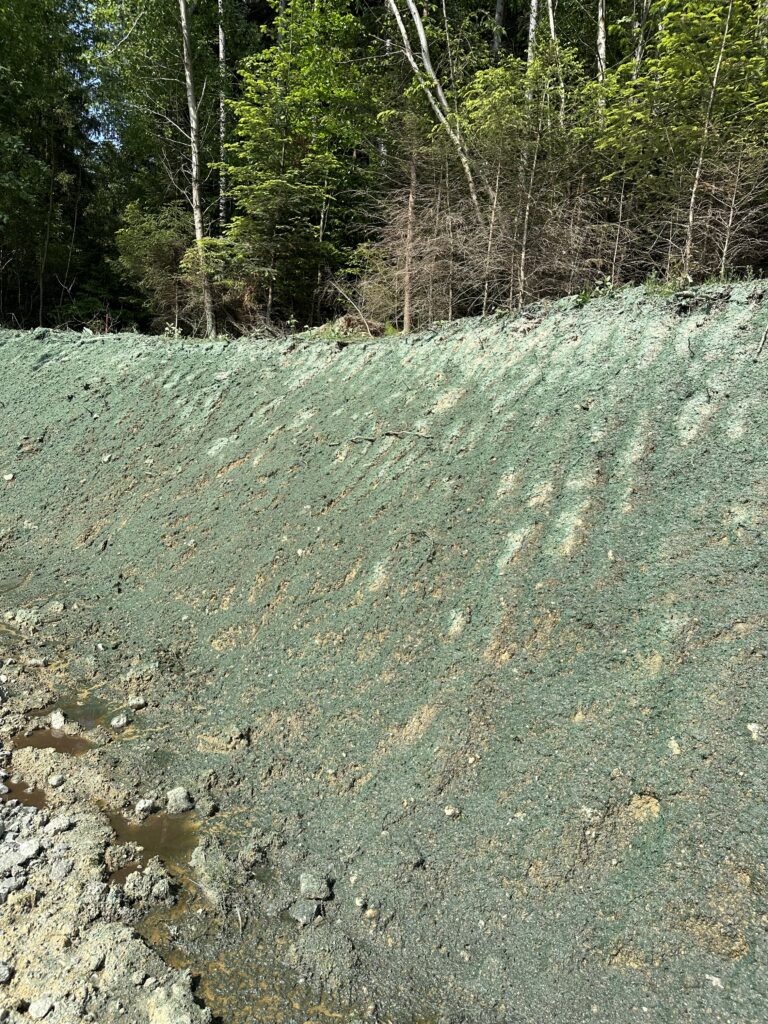
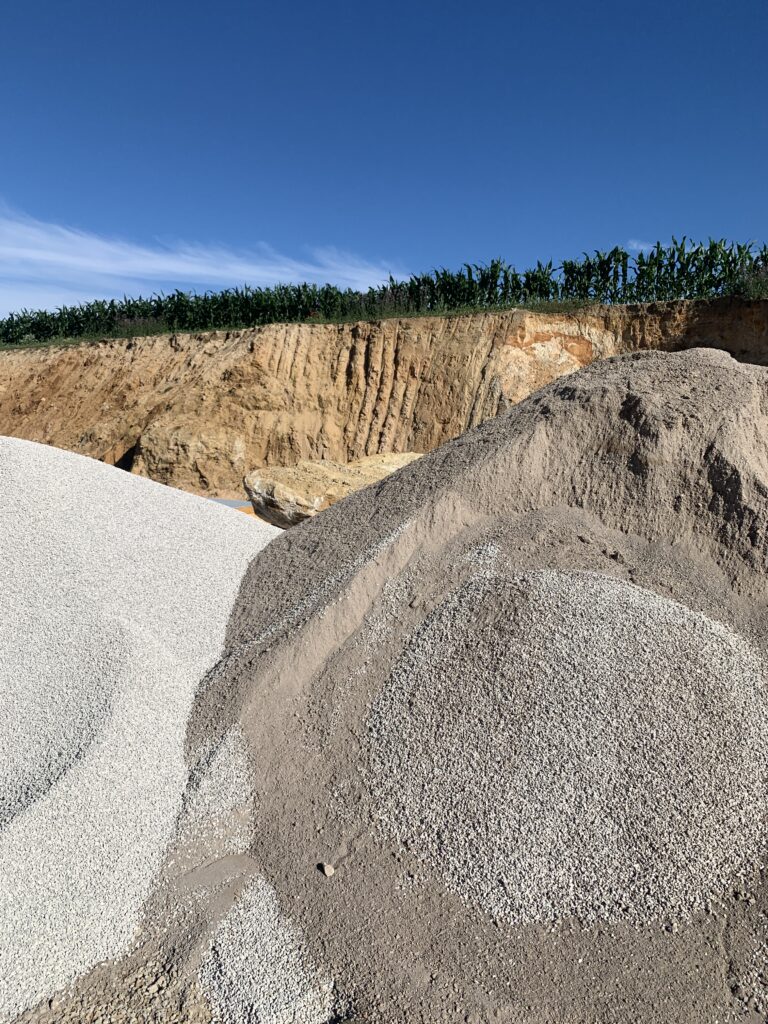
Tailings deposits, waste dumps, industrial brownfields, and pit rim areas share a common condition: substrate without biological function. No organic matter, no seed bank, frequently elevated heavy metal concentrations or extreme pH. SRBT engineers revegetation systems for these conditions from the ground up — substrate first, vegetation second.
Problem Statement

Site Conditions on Post-Extraction and Industrial Sites

Post-extraction sites fail at the substrate stage, not the seeding stage. Tailings surfaces, waste rock dumps, and contaminated fills present conditions that no conventional seed-and-fertiliser approach can overcome.

Regulatory reclamation obligations define the endpoint — but rarely prescribe the engineering pathway to reach it. SRBT engineers that pathway.

Key Parameters:

  • Substrate: tailings, waste rock, compacted spoil, contaminated fill
  • pH range: frequently outside the 5.5–7.5 window
  • Heavy metals: phytotoxic concentrations requiring amendment or isolation
  • Contaminated substrates: phytostabilisation via engineered pedogenesis layer
  • Wind erosion: exposed summit and plateau areas with no surface cohesion
  • Regulatory framework: reclamation bond release, closure plan compliance
SRBT Approach

Substrate Engineering as the Primary Intervention

Biopolymer Solutions GmbH formulations are the system foundation, not an additive. On mining sites, substrate conditioning is the primary engineering intervention — the vegetation system is built on top of it.

For contaminated substrates, BPS develops pedogenesis layer systems: engineered soil layers that isolate the contamination below while providing a functioning vegetation substrate above. Phytostabilisation without excavation.

BPS research into phytoremediation for heavy-metal substrates is at the initial analysis stage — not yet long-term validated, but with promising preliminary results on specific metal profiles.

Technologies Applied

Methods Selected for Mining & Industrial Conditions

Vegetation Establishment
Hydromulching Hydroseeding
Erosion & Surface Control
Spray-Applied Erosion Control
Engineered Soil Systems
Biopolymer-Based Systems Substrate & Soil Amendment Systems
Project Inquiry

Mining and industrial rehabilitation projects are typically phased over multiple years and governed by closure plans and regulatory milestones. SRBT engages at programme level, not per application event.