
Our Approach — Concept. Engineering. Execution.
About / Our Approach

Our Approach — Concept. Engineering. Execution.

SRBT operates as a single point of technical responsibility. The site condition defines the problem. The engineering concept defines the response. Execution follows from that concept — under SRBT method statements and quality standards. This sequence is not negotiable.
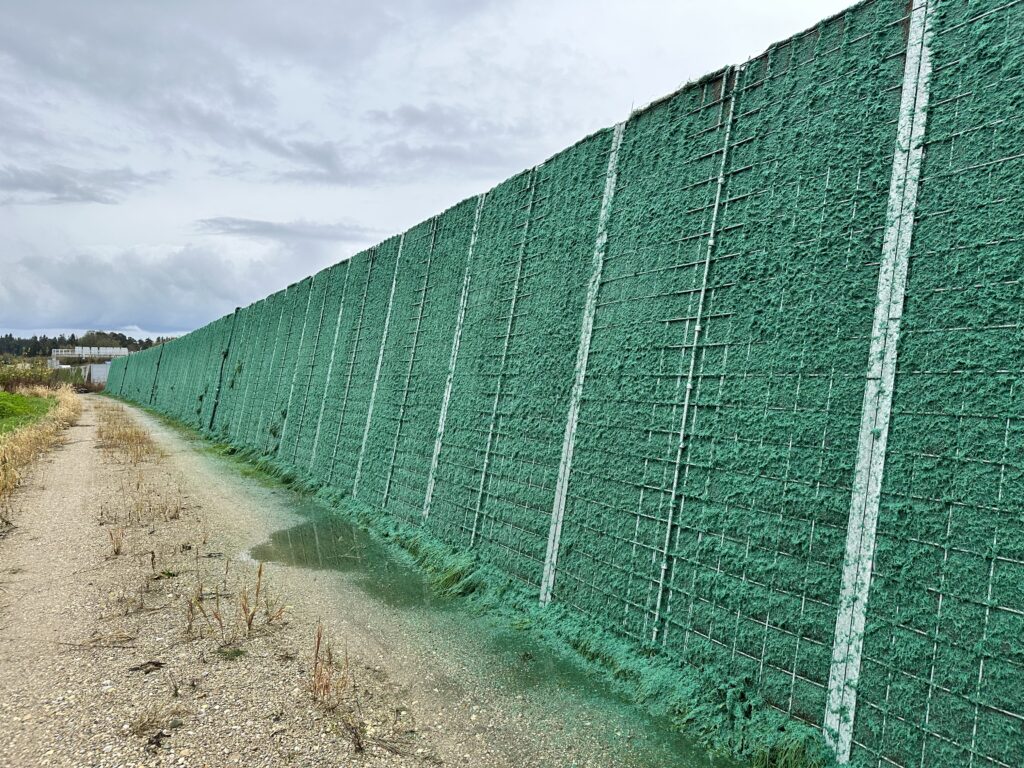
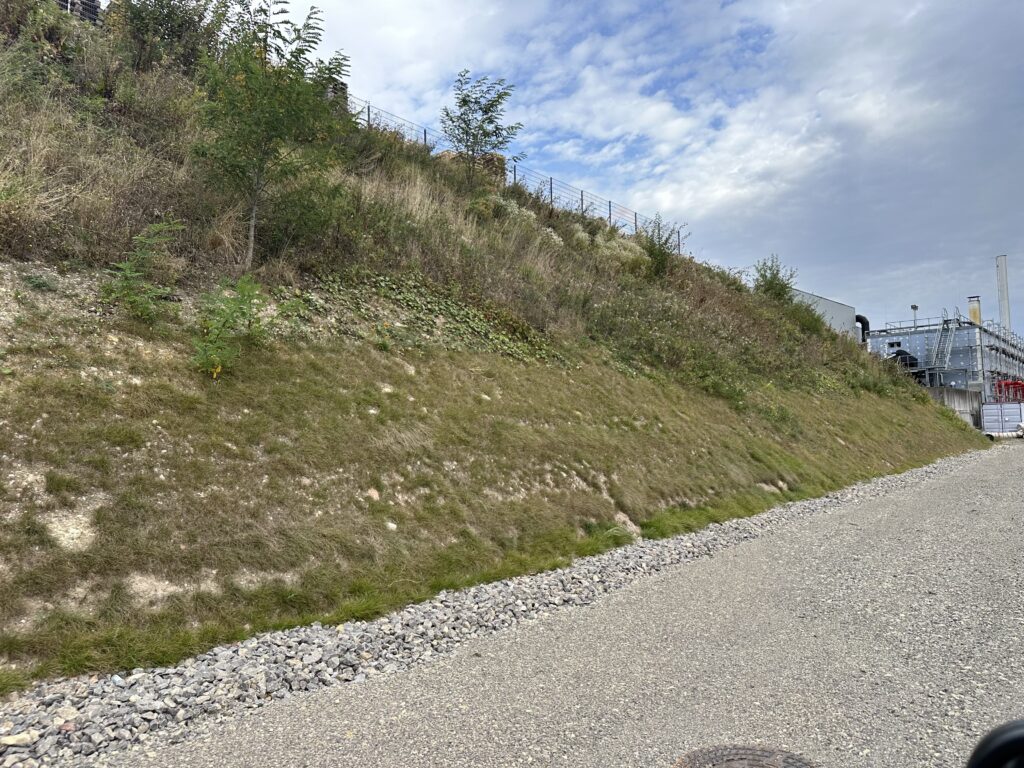
Step 01

Site Assessment and Problem Definition

Every project begins with a structured site assessment — evaluating substrate composition, slope geometry, hydraulic conditions, climate parameters, and vegetation history as an integrated system.

The output is a problem definition: the conditions that prevent vegetation establishment or surface stability, and the constraints that any solution must operate within.

Projects that start with a method specification rather than a problem definition are prone to underperformance. SRBT does not enter at the execution stage of an externally defined specification.

Step 02

System Engineering and Material Specification

The problem definition is translated into a system specification — methods, application sequence, application rates, and materials, all derived from site condition rather than standard templates.

Material selection is an engineering decision: seed mixtures, mulch matrix composition, binder systems, substrate amendment formulations. Biopolymer Solutions GmbH formulations are integrated where they provide measurable advantage over conventional alternatives.

The specification is documented in a method statement with defined execution parameters, quality benchmarks, and monitoring criteria.

Step 03

Execution Under SRBT Standards

Execution is carried out by SRBT directly or by trained partner operators under SRBT method statements and quality standards.

Equipment is selected for the material system and site conditions — centrifugal, cavitation, and gear pump configurations each have defined performance envelopes.

Quality control is based on the method statement benchmarks. Deviations from expected establishment are managed within the engineering framework, without returning to the client for revised instructions. SRBT carries the technical responsibility.

Principle

Single Point of Technical Responsibility

There is no gap between the engineer who specified the system and the operator who executed it. When performance does not meet expectations, the cause is identifiable and the correction is within SRBT's direct control.

This is not possible when engineering and execution are contracted to separate organisations. For technically demanding environments, this single point of responsibility has operational value beyond the individual project.

Project Inquiry

SRBT assesses each project individually. The starting point is always the site condition and the problem it presents — not the method the client has in mind.