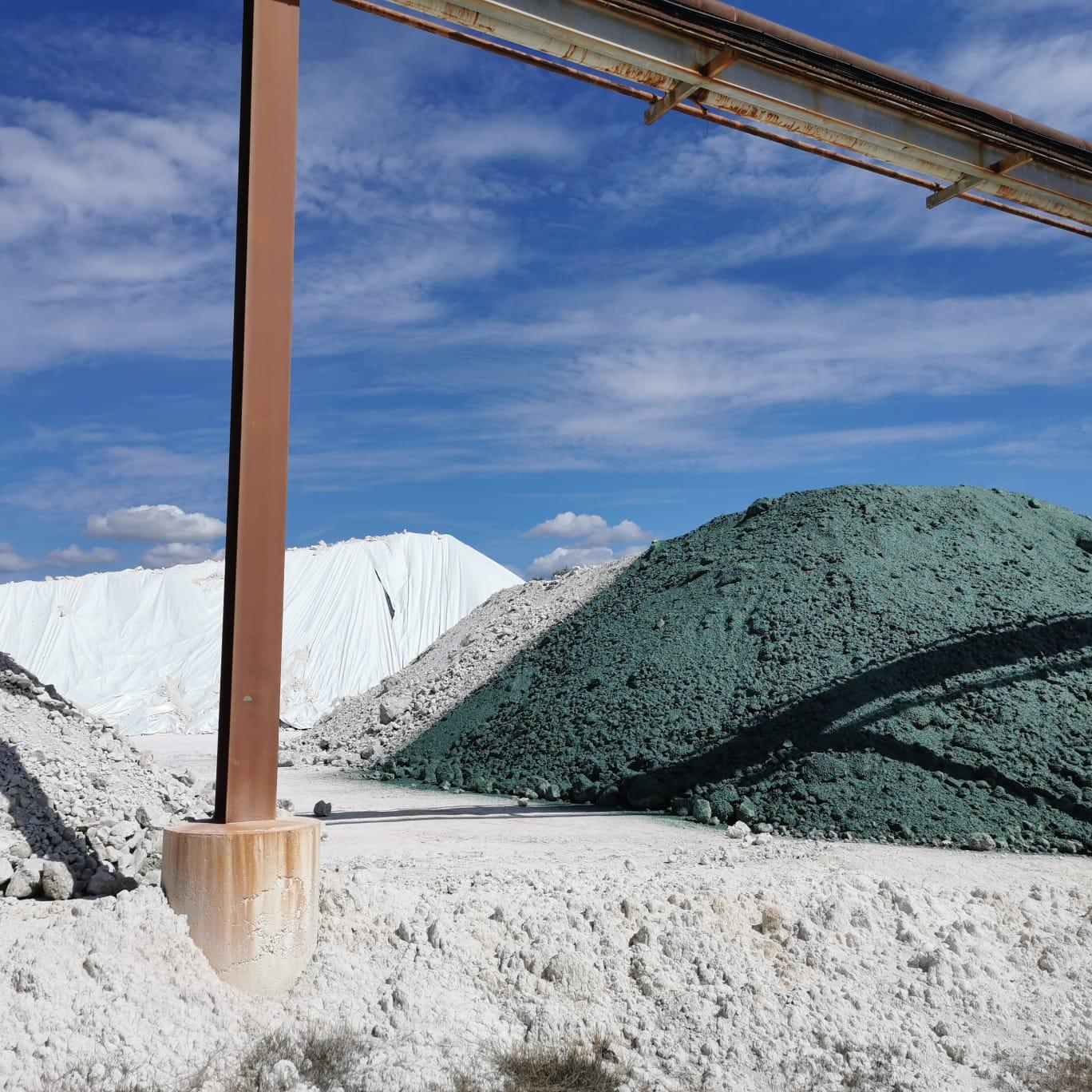
Formulation systems are developed by Biopolymer Solutions GmbH, Austria — an independent R&D company specialising in biopolymer and mineral-fibre systems for soil protection and vegetation engineering. SRBT is BPS's field application and testing partner, providing real-site validation data across substrate types, climate zones, and application contexts.
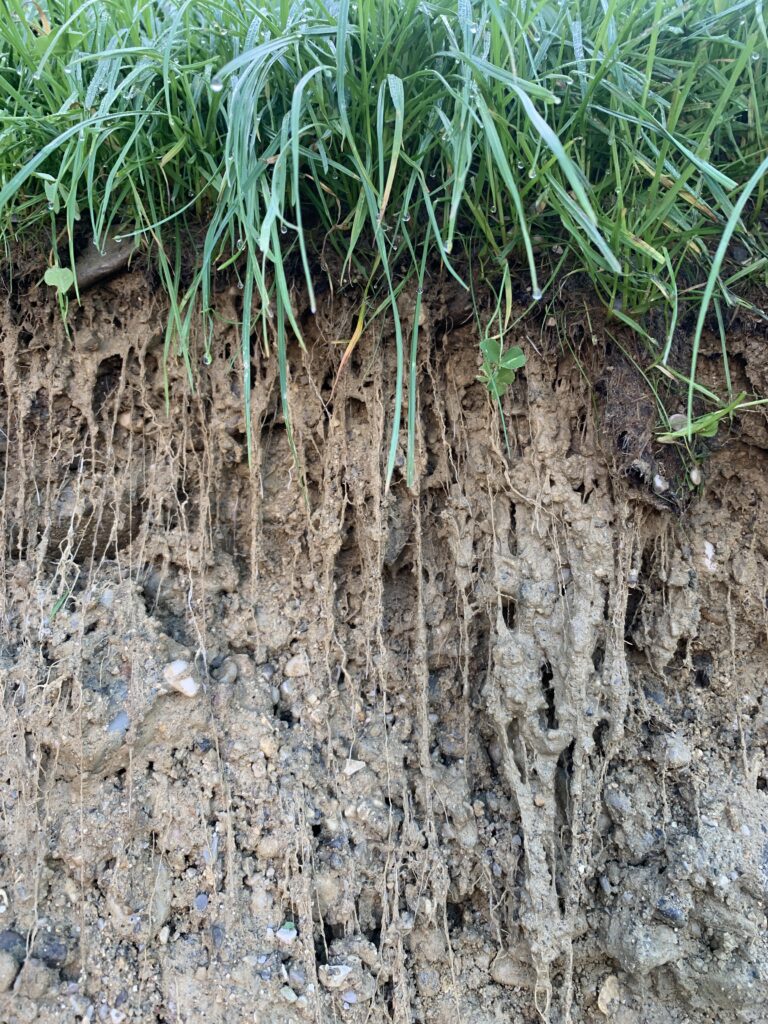
Biopolymer Solutions GmbH (BPS) is an Austrian R&D company developing biopolymer and mineral-fibre formulations for soil protection and vegetation engineering applications. BPS operates independently of SRBT's commercial activities.
SRBT provides real-site validation data from active projects — performance data, failure mode analysis, substrate interaction results. This partnership gives SRBT access to BPS formulations at development stage, before they enter general availability.
Standard product development follows a lab-to-field trajectory: formulation developed under controlled conditions, then tested in the field. This is slow and produces formulations optimised for laboratory benchmarks rather than site performance.
The SRBT–BPS model reverses this. Active project sites provide continuous performance data that drives formulation refinement. Failure modes, establishment rates, and degradation patterns are observed under real substrate, weather, and application conditions — not controlled proxies.
Soil surface temperature is a primary determinant of germination success — and one of the least addressed parameters in conventional vegetation engineering.
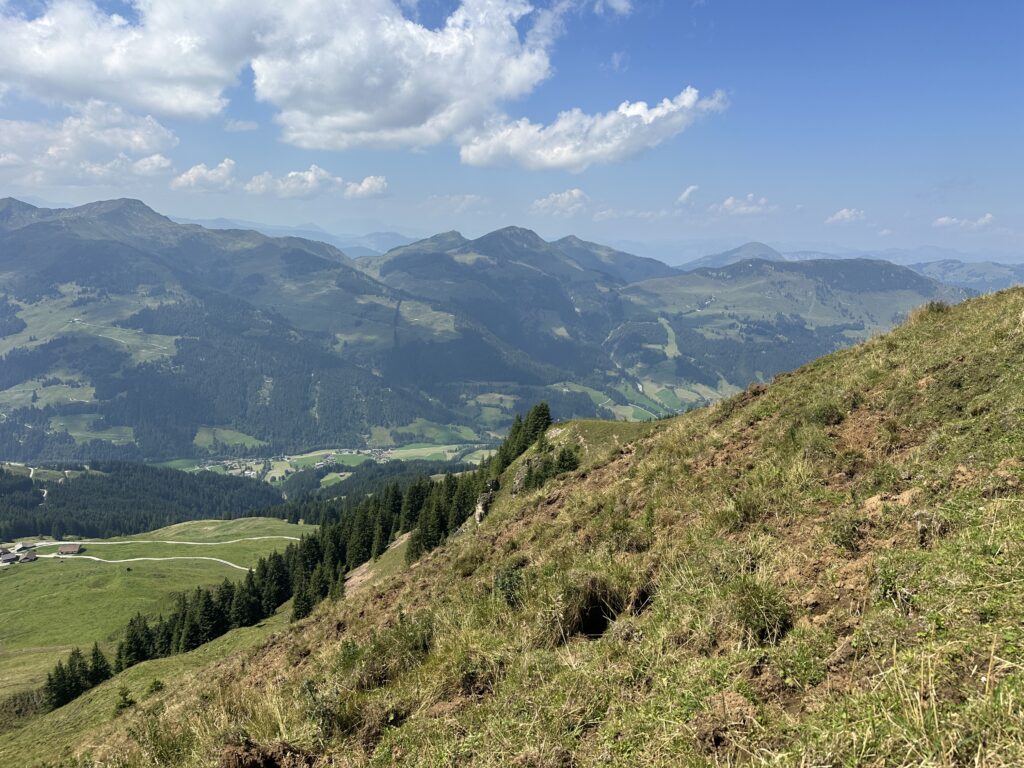
BPS develops formulations that modify soil surface thermal behaviour: albedo reduction (biochar-based, +2–4°C) for alpine and cool-climate applications; albedo increase (kaolin-based) for arid and semi-arid conditions; perlite-based thermal buffering for dampening diurnal temperature extremes. SRBT validates these systems across alpine Central Europe and the MENA region.
Desert-to-Green is a joint project between BPS, SRBT, and Sela AgriCo (operating as SRBT Saudi Arabia by Sela AgriCo). The objective is engineered conversion of inert desert substrate into vegetation-capable surfaces — through particle binding, sequential pedogenesis layer construction, and water retention engineering.
Sela AgriCo provides field research infrastructure in Saudi Arabia. The three-entity structure combines BPS formulation development, SRBT engineering methodology, and Sela regional operational capacity.
Synthetic styrene-acrylate binders are the current industry standard for spray-applied surface stabilisation. They are effective but not biodegradable, carry microplastic liability, and face progressively tighter EU REACH restrictions.
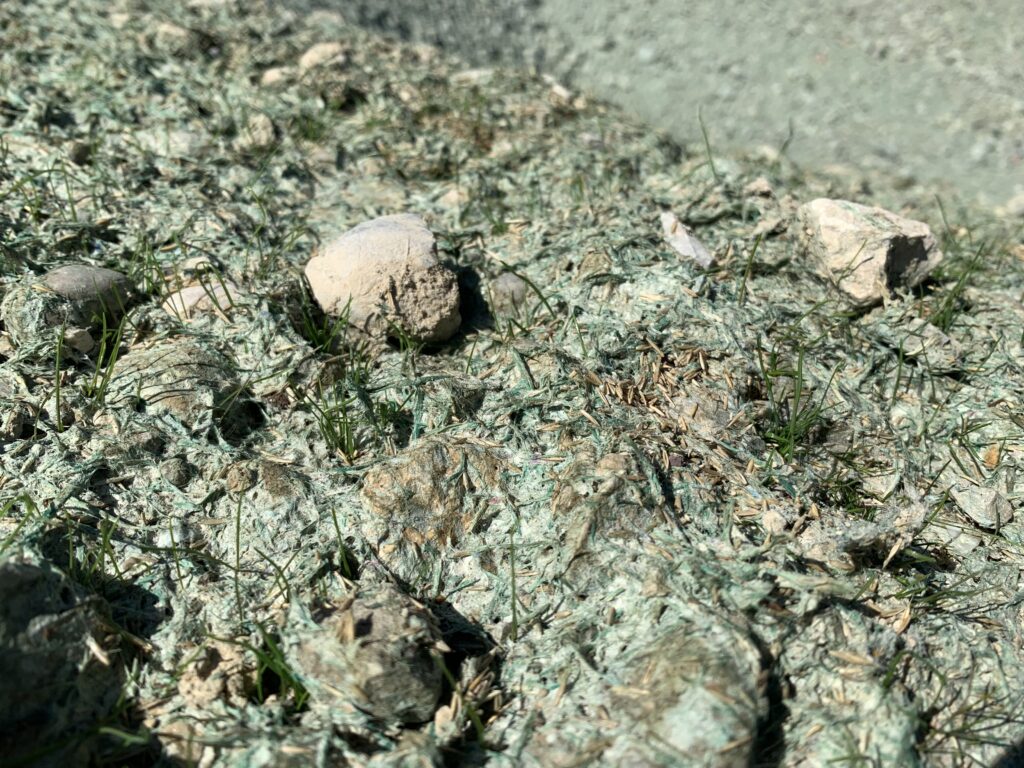
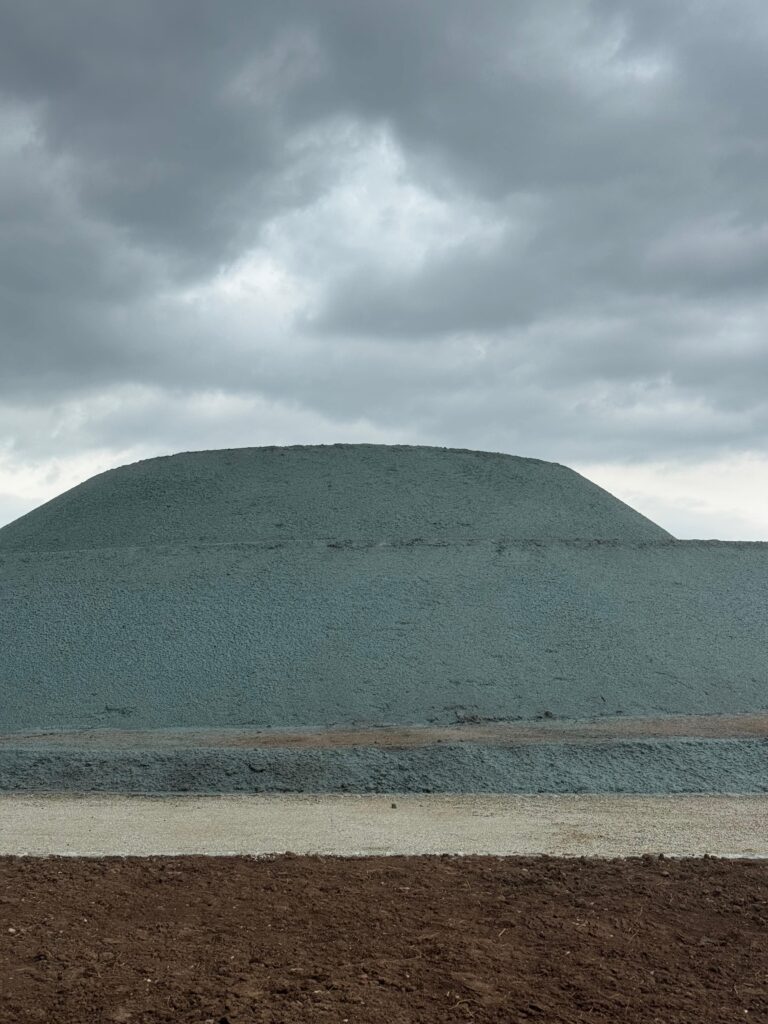
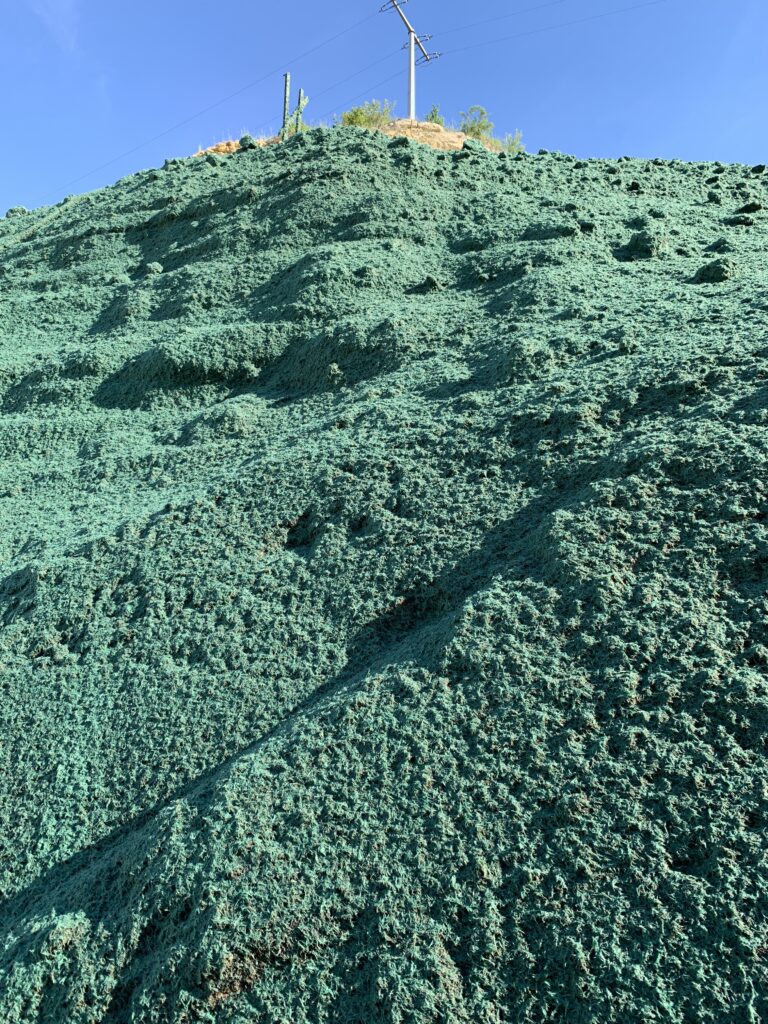
BPS develops mineral-fibre based alternatives using recycled construction industry material streams — systems that are fully biodegradable, free of synthetic film-forming agents, and designed for the regulatory environment that is replacing synthetic polymer use. SRBT validates these systems across infrastructure, mining, and dust control applications.
Technical questions about formulation systems are addressed through the project inquiry process. SRBT and BPS assess each application context individually.