Ecological Restoration and Native Vegetation Re-establishment on Degraded Sites
Solutions / Reclamation & Ecological Restoration

Ecological Restoration and Native Vegetation Re-establishment on Degraded Sites

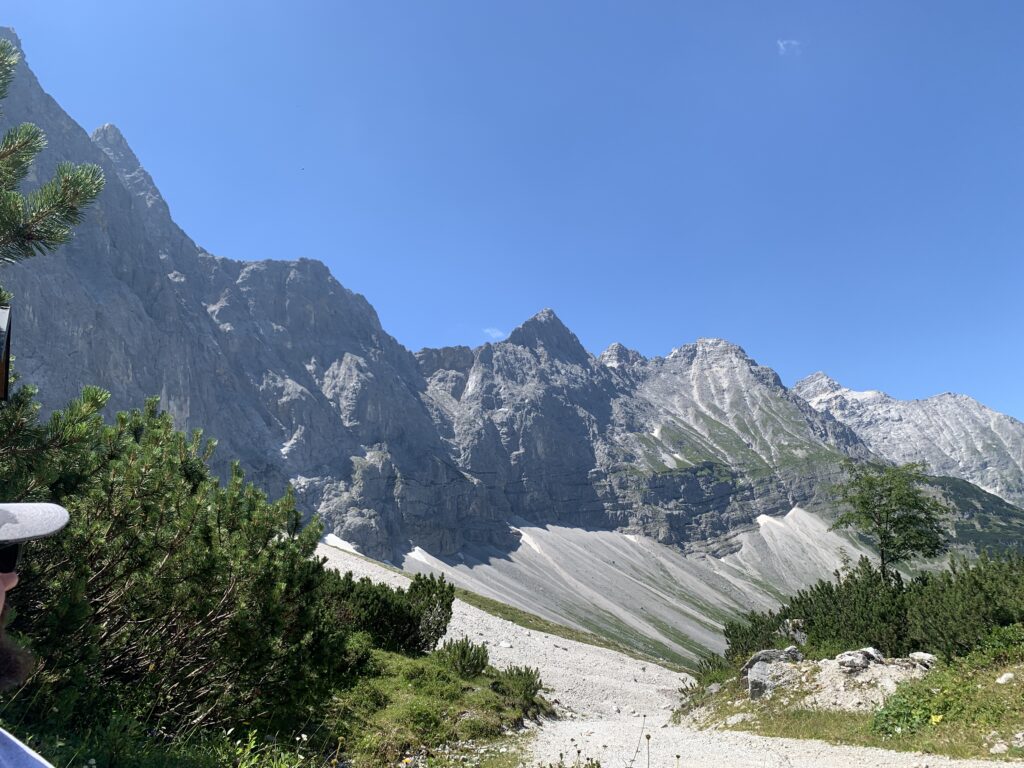
Wetland margins, floodplain forests, dry grasslands, alpine habitats, post-mining sites with ecological target values. Re-establishment of site-specific vegetation without fertiliser or pesticide input, without compromising successional development.
Problem Statement

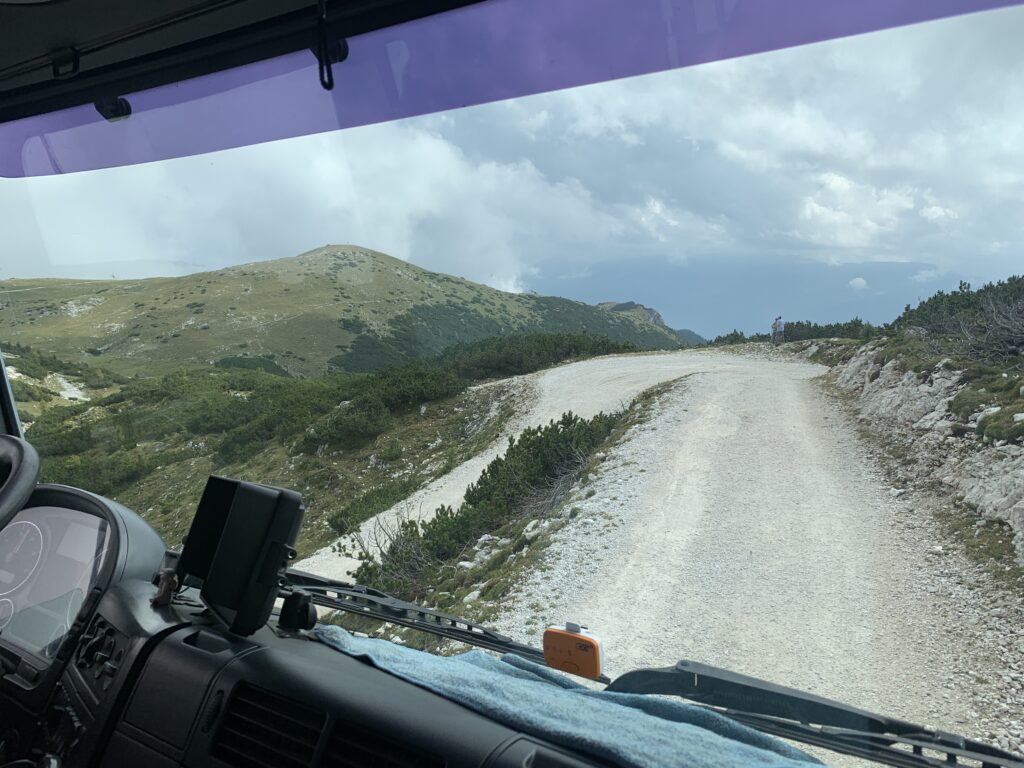
Site Conditions on Restoration and Reclamation Sites

Ecological restoration is not revegetation. The objective is a functional plant community, not green cover. Correct seed provenance, low-nutrient substrate management, and avoidance of biocides are non-negotiable.

Standard hydroseeding mixes and fertiliser-loaded mulch products are counterproductive on restoration sites — they promote ruderal species at the expense of target communities.

Key Parameters:

  • Vegetation target: defined by habitat type, not by green cover percentage
  • Seed provenance: regional ecotypes, certified origin material
  • Low nutrient substrate: deliberate nutrient limitation to favour target species
  • No synthetic fertilisers or pesticides
  • Succession management: initial species mix designed to facilitate natural development
  • Alpine conditions: short vegetation period, freeze-thaw, protected species status
  • Regulatory context: nature conservation requirements, habitat directive compliance
SRBT Approach

Endpoint-Defined System Design

SRBT works from the ecological target backwards. Biopolymer Solutions GmbH formulations provide surface stability and moisture management without nutrient loading. Seed mixtures are sourced from certified regional provenance suppliers.

Hydroseeding with low-nutrient carrier matrices. Helicopter application for steep or access-restricted sites. Alpine ecosystems present the most constrained conditions: 8–10 week vegetation periods, freeze-thaw cycling, high UV exposure, and protected species status. Alpine ecotype seed provenance is non-negotiable.

Technologies Applied

Methods Selected for Restoration Conditions

Vegetation Establishment
Hydroseeding Hydromulching
Engineered Soil Systems
Substrate & Soil Amendment Systems Biopolymer-Based Systems
Application Technology
Ground Equipment Helicopter Application
Project Inquiry

Ecological restoration projects require early coordination on seed provenance, substrate specification, and application timing. SRBT integrates vegetation engineering at the planning stage.